
Topic - Balancing Economic Interests with Environmental and Social Responsibility
Background
The management of tailings is a critical issue in Zambia’s mining industry, with significant implications for the environment, local communities, and the economy. This panel discussion will bring together stakeholders to explore the trade-offs between economic benefits, environmental costs, and social impacts of tailings management. The discussion will examine the challenges of balancing economic interests with environmental and social responsibility and identify strategies for promoting sustainable tailings management that minimize harm to the environment and local communities.
The panel will feature experts from industry, government, civil society, and academia, who will discuss the economic benefits of tailings management, the environmental and social costs, and the regulatory frameworks that govern the industry. Key topics to be discussed include the role of technology and innovation in reducing environmental and social impacts, the importance of community engagement and participation in decision-making, and the need for transparency and accountability in tailings management.
Key Questions:
- How can the economic benefits of tailings management be balanced with environmental and social costs?
- What are the most effective strategies for minimizing harm to the environment and local communities?
- What regulatory frameworks and policies are needed to promote sustainable tailings management?
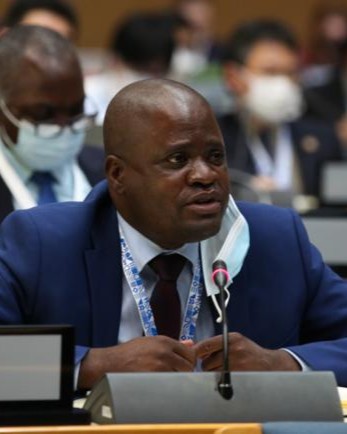
Richard Lungu, Ministry of Green Economy and Environment (MGEE)
Website: https://www.mgee.gov.zm/
Richard Lungu is the Assistant Director at Ministry of Green Economy and Environment. The Ministry is a Zambian government institution responsible for spearheading environmental policy, climate action, green economy planning, and sustainable development efforts nationwide. It develops regulations, strategies, and frameworks aimed at balancing economic growth with environmental protection and ensuring the sustainable use of natural resources. The ministry coordinates with other sectors to integrate environmental sustainability into national development planning, conservation, resource management, and climate resilience. Its goal is to guide Zambia toward a greener, more sustainable path while protecting ecosystems and supporting long-term prosperity.

Nsama Musonda Kearns, Care for Nature Zambia
Website: https://carefornaturezambia.org/
Nsama Musonda Kearns is the Executive Director and founder of Care for Nature Zambia, an NGO advancing environmental conservation, human rights and sustainable development. Since 2019 she has led the Luapula Alternative Mining Indaba, chairs the Publish What You Pay Provincial Chapter, and contributes articles on mining and environmental issues to national and regional media. She champions campaigns such as “Zero Children in Mining” and “Women’s Land Rights and Climate Justice,” delivers community advocacy trainings, and has helped influence decisions against land grabs and inter-basin water transfers while enabling marginalized groups to participate in governance forums. A member of the National Technical Committee on Biodiversity and the Luapula Provincial Planning Authority Board, she holds a Bachelor’s degree in Development Studies from Cavendish University, is the author of Learning about the Environment, and saw her organization receive the Royal Excellence Award from the Luapula Chiefs Council in 2023.
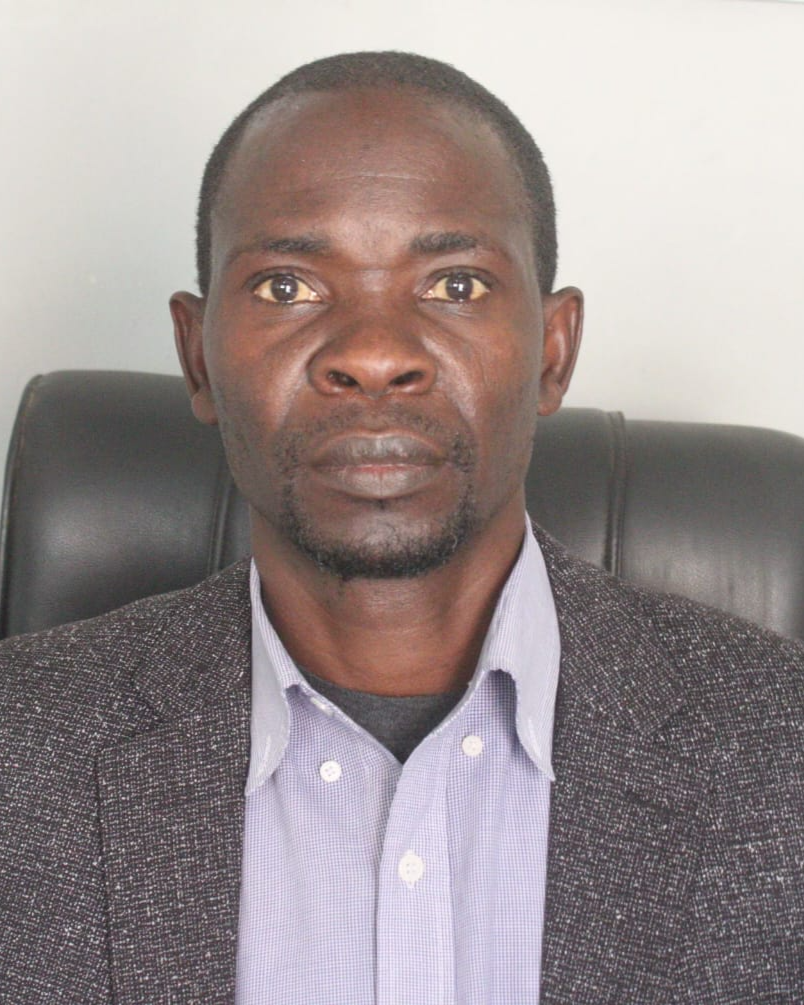
Martin Bwalya Kampamba, Futurepreneur Zambia
Website: https://fpszzambia.com/
Martin Bwalya Kampamba is a Zambian development practitioner, governance advocate, and Executive Director of Future-Preneurs Zambia (FPSZ). He holds three Bachelor’s degrees in Development Studies, Organizational Leadership, and Political Science/Law studies, and a Master’s degree in Public Administration. With over 15 years’ experience, he leads initiatives on social accountability, environmental rights, climate justice, youth empowerment, and inclusive development across Zambia.

Milton Malama, Economic Association of Zambia (EAZ)
Website: https://eaz.org.zm/
Milton Malama is an Agricultural and Applied Economist, Research Consultant, and emerging scholar with over a decade of experience in agricultural research, socio-economic assessments, market systems, climate-smart agriculture, and rural development. He currently serves as a Research Fellow and Consultant with March Associates Limited and previously worked with International Maize and Wheat Improvement Center (CIMMYT/CGIAR), supporting digital agriculture and inclusive extension initiatives that reached more than 2,800 smallholder farmers in Zambia.
Milton holds an MSc in Agricultural and Applied Economics from Makerere University In Uganda, an MSc in Environmental Economics from the University of Pretoria in South Africa, and a BSc in Agricultural Economics from the University of Zambia. His work focuses on translating research and economic evidence into practical solutions that strengthen agricultural value chains, promote climate resilience and digital inclusion, inform policy, and improve the livelihoods of smallholder farmers and rural communities.
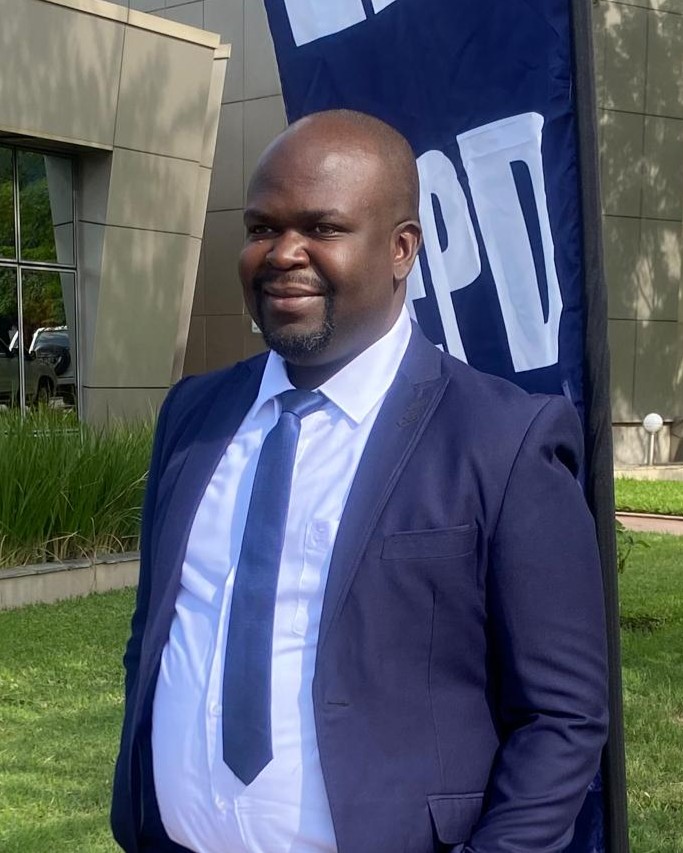
Moderator: Haggai Nyambe, CEJ
Website: https://cejzambia.org/
Haggai Nyambe is the Monitoring and Evaluation Specialist at Centre for Environment Justice (CEJ). He is specialized in monitoring and evaluation, project development, evidence-based research, policy advocacy, community mobilization, stakeholder engagement, and socio-economic development programming. He holds a bachelor’s degree in international relations with over 15 years of professional experience working with civil society organisations, government institutions, and local communities.